
Home Cholesterol Tests vs Lab Blood Draw: How Close Are They?
Understanding your cholesterol levels is a key component of managing cardiovascular health. Traditionally, this has involved a blood draw at a medical laborator
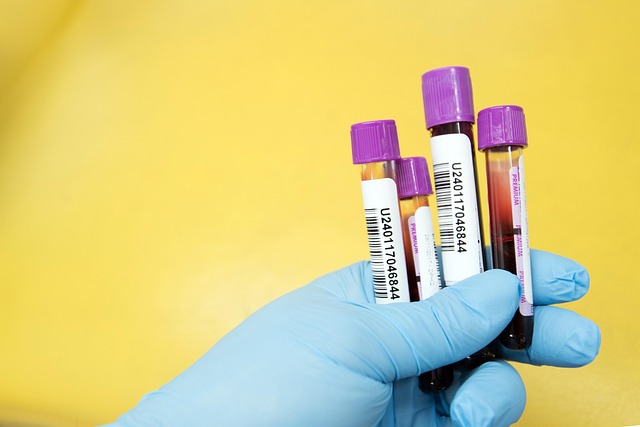
Understanding your cholesterol levels is a key component of managing cardiovascular health. Traditionally, this has involved a blood draw at a medical laboratory. However, the rise of at-home testing kits offers an alternative that promises convenience and accessibility. The central question for many revolves around the reliability of these at-home options: how accurately do home cholesterol tests compare to the results obtained from a professional lab blood draw? This article explores the nuances of both methods, examining their accuracy, practical implications, and when each approach might be most suitable.
Table of Contents
- Key Differences Between Home Cholesterol Tests and Lab Blood Draws
- Shared Benefits and Overlaps
- When a Lab Blood Draw May Be a Better Fit
- When Home Cholesterol Tests May Be a Better Fit
- How to Choose Based on Goals and Context
- Frequently Asked Questions
- Conclusion
Key Differences Between Home Cholesterol Tests and Lab Blood Draws
The fundamental distinction between home cholesterol tests and lab blood draws lies in the methodology, the scope of information provided, and the environment in which the sample is collected and analyzed.
A lab blood draw, typically performed by a phlebotomist in a clinical setting, involves venipuncture – drawing blood from a vein, usually in the arm. This sample is then sent to a certified laboratory where specialized, high-precision analytical equipment processes it. These labs adhere to rigorous quality control standards, calibrations, and often run multiple checks to ensure the accuracy and consistency of results. A standard lipid panel from a lab blood draw usually provides a comprehensive breakdown: total cholesterol, high-density lipoprotein (HDL) cholesterol, low-density lipoprotein (LDL) cholesterol, and triglycerides. Some panels may also include very low-density lipoprotein (VLDL) cholesterol or cholesterol ratios. The sheer volume and quality of the blood sample allow for these detailed measurements.
Home cholesterol tests, on the other hand, typically involve a finger-prick blood sample. A small lancet is used to prick the fingertip, and a drop of blood is collected onto a test strip or into a small capillary tube. The analysis then proceeds in one of two ways:
- Mail-in Kits: The collected blood sample is mailed to a certified lab for analysis, similar to a traditional lab blood draw, but without the in-person venipuncture. These kits often provide a comprehensive lipid panel.
- Point-of-Care Devices: These kits include a small, portable analyzer that reads the blood sample directly at home. Users apply the blood to a test strip, insert it into the device, and results for total cholesterol, HDL, and sometimes triglycerides or calculated LDL are displayed within minutes.
The practical implications of these differences are significant. Lab tests benefit from professional sample collection, high-volume instrumentation, and stringent quality assurance protocols. This generally translates to a higher degree of precision and accuracy, particularly for the full lipid profile. Home tests, especially the point-of-care devices, are designed for user convenience and immediacy. However, the smaller sample size, potential for user error in collection, and the analytical limitations of portable devices can introduce variability. For instance, obtaining a sufficient, uncontaminated blood sample via finger-prick can be challenging for some individuals, and the sensitivity of the at-home devices might not match that of laboratory-grade equipment, particularly for very low or very high values.
Consider a scenario where someone is monitoring their cholesterol closely due to a family history of heart disease. A lab blood draw would offer the most granular and reliable data for their doctor to make informed treatment decisions, especially if specific LDL or triglyceride targets are critical. Conversely, an individual who wants to track general trends in their total cholesterol or HDL between annual check-ups might find a mail-in home test or a point-of-care device convenient for quick, directional insights, understanding that these results might have a wider margin of error compared to a lab.
Shared Benefits and Overlaps
Despite their methodological differences, both home cholesterol tests and lab blood draws share a common objective: to provide individuals with information about their lipid profile, which is crucial for assessing cardiovascular risk. Both methods aim to empower individuals to make informed decisions about their health and lifestyle.
One significant shared benefit is the ability to track trends over time. Whether through regular lab visits or consistent use of a particular home testing kit, monitoring changes in cholesterol levels can reveal the effectiveness of dietary modifications, exercise routines, or medication. This longitudinal data is often more valuable than a single snapshot, as it highlights patterns and responses to interventions. For example, if someone starts a new diet and exercise regimen, both a lab test and a home test, if used consistently, could show a downward trend in total cholesterol, providing motivation and feedback.
Another overlap lies in their foundational reliance on blood analysis. Both methods are measuring the same biomarkers (cholesterol and triglycerides) present in the blood, albeit with different levels of precision and detail. The underlying biochemical principles are consistent.
Furthermore, both options can serve as a starting point for health discussions with a healthcare provider. A home test result, even if approximate, can prompt an individual to schedule a doctor's appointment and request a confirmatory lab test if the results are concerning. This can be particularly beneficial for individuals who might otherwise delay or avoid seeking medical advice due to inconvenience or apprehension. For instance, someone who sees an elevated total cholesterol reading on a home device might be more inclined to discuss it with their doctor than someone who has no immediate data point.
Both methods also require some level of preparation, such as fasting for a certain period before the test, to ensure accurate results. This highlights the shared scientific basis and the importance of standardizing conditions for reliable measurement. Regardless of the testing method, improper fasting can lead to skewed triglyceride and LDL readings.
When a Lab Blood Draw May Be a Better Fit
A lab blood draw remains the gold standard for cholesterol testing for several compelling reasons, making it a better fit in specific scenarios.
1. Diagnostic Clarity and Initial Assessment: When a healthcare provider needs a definitive diagnosis, a comprehensive baseline, or is evaluating a patient for the first time, a lab blood draw is almost always preferred. The accuracy, precision, and detailed breakdown of a full lipid panel (total cholesterol, HDL, LDL, VLDL, triglycerides, and sometimes ratios) provide the most complete picture. This is critical for initial risk stratification, especially for individuals with a family history of heart disease, existing cardiovascular conditions, or multiple risk factors. For example, distinguishing between high LDL and high triglycerides, or identifying specific patterns in VLDL, often requires the analytical capabilities of a full lab panel.
2. Monitoring and Adjusting Treatment: For individuals on cholesterol-lowering medications (like statins) or those undergoing intensive lifestyle interventions, precise and reliable data is essential for monitoring treatment effectiveness and making adjustments. Small changes in LDL or HDL can be clinically significant, and a lab test's lower margin of error ensures that these changes are accurately captured. If a doctor is trying to titrate medication to reach a specific LDL target, they will rely on lab results rather than home test estimates.
3. Confirmation of Abnormal Results: If a home cholesterol test yields an unexpectedly high or low result, a lab blood draw is crucial for confirmation. Home tests can be prone to user error, sample contamination, or device inaccuracies, and a professional lab test can either validate the concern or rule out a false positive. Imagine someone receives an alarming total cholesterol reading from an at-home device; their doctor would undoubtedly order a confirmatory lab test before considering any significant medical interventions.
4. Complex Health Conditions: For patients with complex health conditions that can affect lipid metabolism (e.g., kidney disease, liver disease, thyroid disorders, diabetes), the detailed insights from a lab blood draw are indispensable. These conditions can influence various lipid markers in intricate ways, and the comprehensive data from a lab panel helps clinicians understand these interactions.
5. Quality Assurance and Professional Interpretation: Lab tests come with the assurance of stringent quality control, calibration, and standardized procedures. Moreover, the results are typically reviewed by qualified lab technicians and then interpreted by a healthcare professional who understands the clinical context, patient history, and potential confounding factors. This professional oversight adds a layer of confidence and expertise that home tests cannot replicate.
In essence, whenever diagnostic certainty, precise monitoring, or comprehensive clinical assessment is required, the advantages of a lab blood draw make it the superior choice.
When Home Cholesterol Tests May Be a Better Fit
While lab blood draws offer the highest level of precision, home cholesterol tests present distinct advantages in specific contexts, making them a better fit for certain individuals and situations.
1. Convenience and Accessibility: The most obvious benefit of home testing is unparalleled convenience. There's no need to schedule an appointment, travel to a clinic or lab, or spend time in a waiting room. For individuals with busy schedules, limited mobility, or living in remote areas with poor access to healthcare facilities, home tests remove significant barriers. This ease of access can encourage more frequent self-monitoring, which can be valuable for tracking trends. For example, a shift worker who struggles to make daytime appointments might find mail-in home tests invaluable for keeping tabs on their cholesterol without disrupting their work schedule.
2. Cost-Effectiveness (in some cases): While the upfront cost of some home kits might seem comparable to or even higher than an insured lab co-pay, for individuals without comprehensive health insurance or those facing high deductibles, home tests can sometimes be a more affordable option for obtaining basic cholesterol information. This is particularly true for point-of-care devices that offer immediate, multiple uses.
3. Regular Trend Monitoring (between lab visits): For individuals whose cholesterol levels are generally stable and well-managed, or those making lifestyle changes, home tests can be a useful tool for monitoring trends between their annual or semi-annual lab blood draws. They provide a quick snapshot that can indicate if overall efforts are moving in the right direction. If a person has been advised to lower their cholesterol through diet and exercise, a monthly home test might provide motivating feedback on their progress, without needing frequent doctor visits.
4. Overcoming "White Coat Syndrome": Some individuals experience anxiety or elevated blood pressure in clinical settings ("white coat syndrome"). While this primarily affects blood pressure readings, the overall stress of a medical environment can be a deterrent to regular health checks. Home testing can provide a more relaxed and private environment, potentially encouraging individuals who might otherwise avoid testing altogether.
5. Early Awareness and Motivation: For individuals who have never had their cholesterol checked or are simply curious about their levels, a home test can serve as an accessible entry point. A concerning result, even if approximate, can be the catalyst that prompts them to seek professional medical advice and a confirmatory lab test. This proactive approach can lead to earlier detection and intervention. A young adult with a family history but no current symptoms might use a home test out of curiosity, and an elevated reading could prompt them to seek professional guidance sooner.
It's important to remember that while home tests offer convenience and insight, they are generally best used as screening tools or for monitoring trends, not for definitive diagnosis or critical treatment adjustments. They provide valuable information, but their results should ideally be discussed with a healthcare provider, especially if they indicate an unexpected change or a level outside the healthy range.
How to Choose Based on Goals and Context
Selecting between a home cholesterol test and a lab blood draw depends heavily on your individual health goals, current medical situation, and practical considerations. There isn't a single "best" option; rather, the most appropriate choice is context-dependent.
Let's break down the decision-making process:
| Factor | Lab Blood Draw (Professional) | Home Cholesterol Test (DIY) |
|---|---|---|
| Purpose | Diagnosis, comprehensive baseline, treatment monitoring, confirmation of abnormal results, clinical decision-making. | Screening, trend monitoring, convenience, early awareness, general health tracking. |
| Accuracy/Detail | High precision, full lipid panel (Total, HDL, LDL, VLDL, Triglycerides), often ratios. Gold standard. | Variable precision (especially point-of-care), typically Total, HDL, sometimes Triglycerides/calculated LDL. |
| Convenience | Requires appointment, travel, waiting time. | At-home, flexible timing, no travel. Mail-in or instant results. |
| Cost | May involve co-pays, deductibles, or full cost if uninsured. Often covered by insurance for medical necessity. | Upfront kit cost. May or may not be reimbursed by insurance. Can be cost-effective for general tracking. |
| **reading your home test results should ideally be discussed with a doctor. | ||
| Risk Factors | High suitability if you have: existing heart disease, diabetes, high blood pressure, family history, on medication, or abnormal previous results. | Moderate suitability if you have: low-to-moderate risk, generally healthy, curious about trends, or monitoring lifestyle changes. |
| User Skill | Performed by trained professional. | Requires careful adherence to instructions, potential for user error in sample collection. |
Consider these scenarios:
- Scenario 1: First-time screening or suspected high cholesterol. If you've never had your cholesterol checked or your doctor suspects elevated levels based on other risk factors, a lab blood draw is the clear choice. It provides the most accurate and comprehensive baseline for diagnosis and subsequent management.
- Scenario 2: Monitoring treatment effectiveness. If you are on cholesterol-lowering medication or have made significant lifestyle changes and your doctor needs to assess their impact, a lab blood draw is essential for precise tracking and medication adjustments.
- Scenario 3: General wellness and lifestyle tracking. If you are generally healthy, have no significant risk factors, and want to periodically check your cholesterol to ensure your healthy habits are paying off, a home cholesterol test (especially a mail-in kit that gets processed by a certified lab) can be a convenient and effective option for trend monitoring between annual check-ups.
- Scenario 4: Limited access to healthcare. For individuals in remote areas or those facing significant logistical challenges to reach a clinic, a home cholesterol test can be a valuable tool to gather preliminary information, which can then be shared with a telehealth provider for guidance.
- Scenario 5: Confirmation of a concerning home test result. If a home test shows an unexpectedly high or low result, always follow up with a lab blood draw for confirmation. Never make significant health decisions based solely on a single, unconfirmed home test result.
Ultimately, the decision should be a collaborative one, ideally made in consultation with your healthcare provider. They can help you weigh the benefits of convenience against the need for diagnostic precision based on your unique health profile.
Frequently Asked Questions
What is home cholesterol test accuracy vs lab?
Home cholesterol test accuracy refers to how closely the results obtained from an at-home kit match those from a professional lab blood draw. Generally, lab blood draws are considered the gold standard due to professional sample collection, high-precision equipment, and rigorous quality control. Home tests, especially point-of-care devices, may have a wider margin of error, but mail-in kits processed by certified labs often show closer correlation. The accuracy can vary depending on the specific home test kit, user adherence to instructions, and the type of cholesterol being measured (total cholesterol often has better correlation than LDL or triglycerides in point-of-care devices).
How does home cholesterol test accuracy vs lab compare with alternatives?
Beyond traditional lab blood draws and home kits, there aren't many widely available, consumer-facing alternatives for cholesterol measurement. Some health screenings at pharmacies or community events might offer finger-prick cholesterol tests, which are essentially point-of-care devices operated by trained personnel. These are often similar in principle to home devices but may benefit from professional operation. The primary "alternative" to a home test is simply a professionally administered lab blood draw, which provides the most comprehensive and accurate lipid profile.
What are the most common mistakes people make with home cholesterol test accuracy vs lab?
Several common mistakes can affect the accuracy of home cholesterol tests:
- Improper Fasting: Many cholesterol tests require a 9-12 hour fast (no food or sugary drinks) beforehand. Failing to fast, or consuming certain foods, can significantly skew triglyceride and, consequently, LDL results.
- Insufficient Blood Sample: Not collecting enough blood, or squeezing the finger excessively, can dilute the sample with tissue fluid or lead to an inaccurate reading.
- Contamination: Touching the blood sample or the test strip with unwashed hands, or using an unclean surface, can introduce contaminants that affect results.
- Incorrect Use of Device/Strip: Not following the kit's instructions precisely regarding blood application, timing, or device operation can lead to errors.
- Expired or Damaged Kits: Using kits past their expiration date or those that have been improperly stored can yield unreliable results.
- Not Confirming Abnormal Results: Relying solely on a single, unexpected home test result for significant health decisions without seeking professional medical advice and a confirmatory lab test.
Conclusion
The choice between a home cholesterol test and a lab blood draw is not a matter of one being universally "better" than the other, but rather about aligning the method with your specific needs and health goals. Lab blood draws remain the benchmark for diagnostic accuracy, comprehensive lipid profiling, and precise monitoring, especially for individuals with existing health conditions or high cardiovascular risk. Home cholesterol tests, on the other hand, offer unparalleled convenience and accessibility, making them valuable tools for general wellness tracking, monitoring trends between professional check-ups, and fostering early health awareness.
While the accuracy of home tests has improved, they generally come with a wider margin of error compared to lab results, particularly for the full spectrum of lipid markers. Therefore, home tests are best viewed as screening tools or supplementary monitoring devices. Any concerning or unexpected results from a home test should always prompt a follow-up with a healthcare provider and a confirmatory lab blood draw. Ultimately, both methods play a role in empowering individuals to take an active part in managing their cardiovascular health, with the understanding that definitive medical decisions should always be based on the most reliable data available and professional medical guidance.
Compare Cholesterol & Heart Health
See our full ranked comparison of the best cholesterol & heart health — with scores, pricing, and expert analysis.
View Cholesterol & Heart Health ComparisonRelated Articles

Accutrend Plus vs CardioChek: Which Home Lipid Meter Is More Accurate?
20 min read

Cholesterol Test at Home vs GP: When Is Home Testing Sufficient?
12 min read

Do Home Cholesterol Tests Require Fasting? What You Need to Know Before Testing
15 min read

How to Lower LDL Cholesterol: What Home Testing Can Track
12 min read
Editorial Independence: PharmTests.com is independently funded and does not accept payment from test manufacturers for editorial coverage. Medical Disclaimer: This article is for educational purposes only and does not constitute medical advice. Consult a healthcare professional for diagnosis and treatment decisions.